OCEAN SPRINGS, MS (GC WIRE) — A bombshell weekend of reporting by GC Wire and the Ocean Springs Record exposed a reality many residents say they have been living with for years: raw sewage backing up into streets and yards across parts of Ocean Springs due to aging infrastructure.
The findings came from a 2017 city-commissioned wastewater report that had never been publicly released until GC Wire published it Friday.
Since then, a wave of explanations has followed — claims of newer studies, assurances that issues have been addressed, and warnings from the mayor’s office that the public may not fully understand the information.
But for some residents, the situation is far simpler.
It is in their yards.
And that “it” is often preceded by an s-h.
The Problem isn’t Theoretical
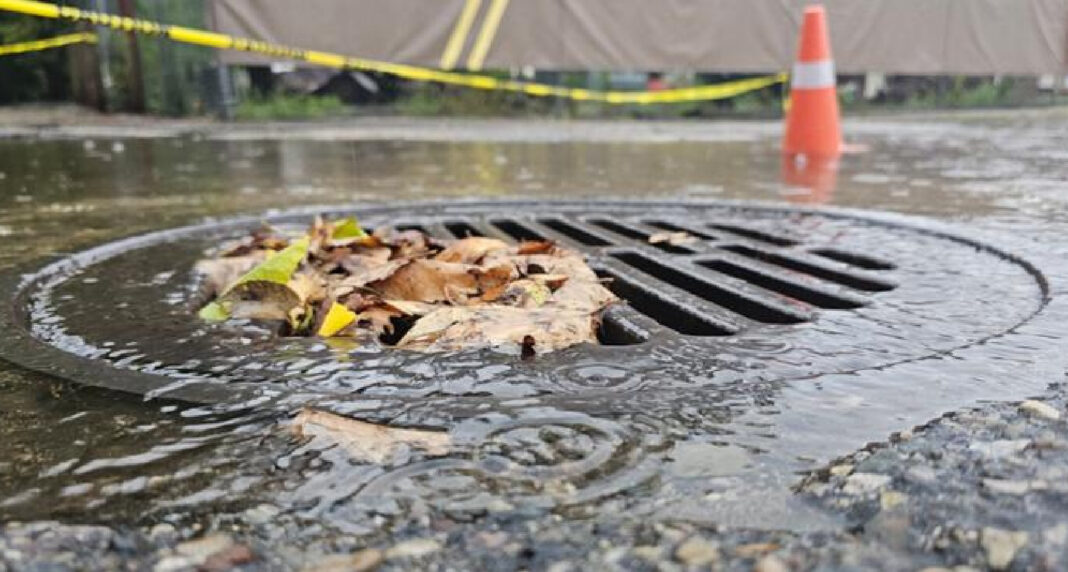
Residents across the city continue to report sewage backing up during heavy rain events — the same conditions engineers described nearly a decade ago.
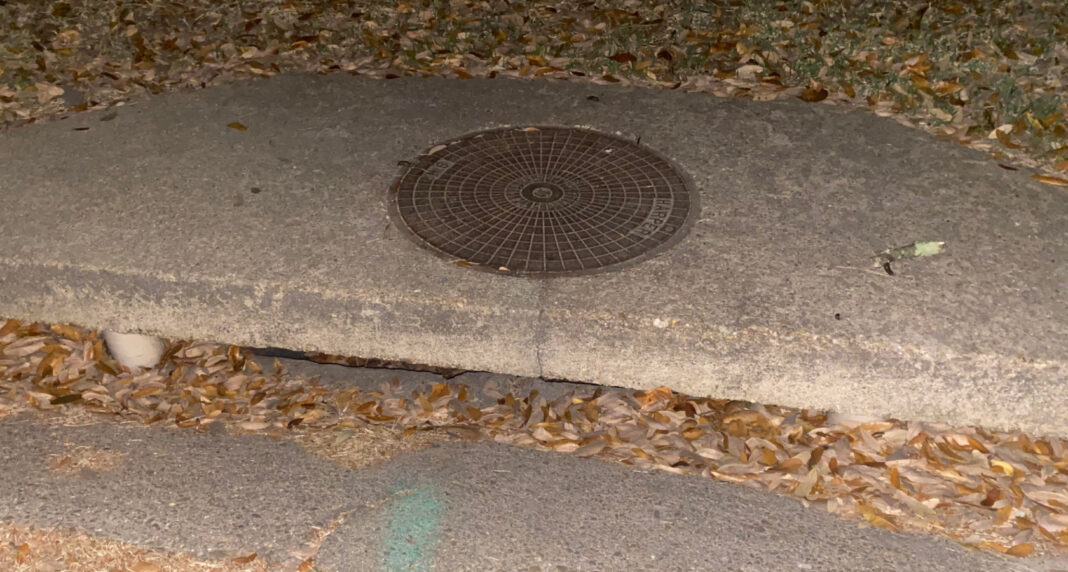
One such account documented by The Record described raw sewage surfacing from a manhole and running through a neighborhood after rain for years before it was addressed last year — a situation one resident called “disgusting.”
He is not alone. Similar issues are being reported often. These aren’t new complaints.
They are the same failures outlined in the City’s own reports.
Known Problem. Rising Cost.
City records show that previous administrations openly discussed the scope and cost of the City’s infrastructure challenges.
In 2018, under the Shea Dobson administration, engineers presented the City’s water and wastewater facilities plan to the Board of Aldermen. During that meeting, Compton Engineering told officials that addressing the most severe issues would require approximately $5 million in initial work.
But when asked what it would take to fix the system citywide, the answer was far higher.
Approximately $20 million.
The financial impact was also made clear. City officials were told water and sewer rates would need to increase by roughly 2% for every $1 million borrowed — a potential 40% increase to fully fund a system-wide fix.
That potential rate increase would have carried a significant cost for residents.
By 2022, during the Kenny Holloway administration, officials again publicly acknowledged the scale of the problem, citing more than $36 million in needed infrastructure improvements and discussing the strain that continued development was placing on the system.
Those discussions were recorded in meeting minutes and presented in open sessions.
Today, under the Bobby Cox administration, the transparency situation appears different.
Multiple aldermen say they have struggled to obtain infrastructure reports needed to evaluate capacity and make informed decisions on growth-related issues.
A local journalist who wrote on the issue told GC Wire she was chastised by the mayor’s office for sharing the 2017 report – being told the public was “not ready to see or understand what is in that report.”
A Month To Prepare — And No Updated Data
Despite that history, city leaders recently debated and voted on a development moratorium tied to infrastructure capacity without being provided updated system-wide reports.
That debate was not rushed.
By law, the City was required to publicly advertise the hearing weeks in advance — giving officials time to gather and distribute current infrastructure data.
But according to multiple aldermen, that didn’t happen.
Ward 4 Alderman Shannon Pfeiffer said she made repeated requests to City Hall for updated reports and was only provided with the same 2017 study published by GC Wire on Friday.
“I have recently been made aware of claims that a more updated drainage or wastewater study exists at the county level,” Pfeiffer said. “If that is true, it raises serious concerns about transparency and access to critical infrastructure information.”
At the time the reports were distributed, she said, officials indicated the 2017 study was the most current information available.
Now, she is asking why that may not have been the case.
“If a newer study exists, the questions are straightforward. When was it completed? Who has access to it? Why has it not been shared?” she said.
Pfeiffer said the lack of updated information directly impacts the City’s ability to make responsible decisions.
“We cannot responsibly evaluate new projects or make long term commitments without a complete and accurate understanding of our infrastructure capacity.”
She added that withholding that information undermines public trust.
“Transparency is not optional.”
What The City Says — And What It Hasn’t Shown
Some officials now suggest more recent studies may exist.
On Sunday, Alderman-at-Large Matthew Hinton told us the report published over the weekend by GC Wire and The Record was not current. He called the report “outdated” and pointed to newer reporting conducted by the Jackson County Utility Authority. But despite knowing it exists, Hinton said he doesn’t have it.
“I do not have copies, but I am aware of them,” he wrote in a text message.
Hinton also said the city has addressed many issues through approximately $14 million in infrastructure work, including sewer slip lining.
But he also acknowledged that updated studies are still needed.
“I have mentioned a couple of times, the city needs to have updated studies… City will need to budget for these types of studies,” he said.
He confirmed he participated in the moratorium debate and vote without having access to any updated reports beyond the 2017 study.
That vote came after a legally required public notice period — time during which updated studies could have been gathered and shared.
They were not.
What Work Has Actually Been Done?
To understand what progress has been made on the infrastructure issues identified in the 2017 engineering report, GC Wire reviewed public records, grant agreements, and Board of Aldermen agenda items tied to recent water, sewer, and drainage projects.
What emerges is not a clear answer, but a fragmented one.
Records show the city has secured and begun implementing a series of projects funded through the American Rescue Plan Act (ARPA) and the state’s Municipality and County Water Infrastructure (MCWI) program.
Those projects include:
- Downtown Sewer Rehabilitation Project — approximately $8.7 million
- East Side Sewer Diversion Project — approximately $2 million
- Fort Bayou Storm Drain Improvements — approximately $3.6 million
- Storm Drain Improvements across multiple bayou systems — approximately $2.8 million
- System-wide inspection and mapping — approximately $500,000
Together, those efforts represent more than $18 million in planned infrastructure work.
Some of that work is now moving forward.
In early 2025, the city awarded a $3.1 million contract for Fort Bayou storm drainage improvements. Additional contracts followed, including a $2.6 million lift station rehabilitation project and a $2.3 million storm drainage project covering multiple bayou systems.
But beyond those individual contracts, the record becomes difficult to follow.
The city has not produced a single consolidated list of completed infrastructure improvements tied to the deficiencies outlined in the 2017 report.
Instead, progress must be pieced together from scattered contracts, amendments, and grant documents.
That fragmentation makes it difficult to answer a basic question:
Which of the problems identified nearly a decade ago have actually been fixed — and which remain?
The timeline raises additional concerns.
In several cases, projects experienced significant delays between funding approval and construction. Design work did not begin until 2024, with bidding and construction awards pushed into 2025 — well beyond original expectations.
City officials have pointed to methods like slip lining as a cost-effective way to extend the life of aging sewer lines, and records do show rehabilitation work is ongoing.
But without a system-wide accounting — or measurable outcomes — the overall impact remains unclear.
In short, while millions of dollars have been committed, the public record still does not show a complete picture of what has been fixed.
The Reality on the Ground
While city officials debate studies, funding, and timelines, the situation on the ground has not gone away.
Residents continue to report sewage backing up into yards and streets during heavy rain — the same conditions described in the City’s own reports years ago.
Those conditions are not just unpleasant. They carry real health risks, exposing residents to bacteria, viruses, and contaminants that can affect both people and the environment.
The Information Gap
At the same time, questions remain about what city leaders — and even members of the Board of Aldermen — have been given access to.
Some officials say updated studies exist. Others say new studies are needed. But no updated, system-wide report has been shared publicly or provided to the full board.
Instead, key decisions — including whether to slow development — have been made without that information.
The Question that Remains
The City has known about the problem for years. It has studied it. It has spent millions attempting to address it.
But residents say the issue persists. And the information needed to fully evaluate it remains out of reach.
At its core, this is no longer just an infrastructure issue.
It’s a question of transparency.
Who has access to the information? Who decides when it is shared? And who is left dealing with the consequences when it isn’t?