
OCEAN SPRINGS, MS (GC WIRE) – A newly acquired drainage and wastewater report shows there is a ticking time bomb beneath our feet — and it isn’t confined to one neighborhood or a few failing pipes. It’s citywide.
That warning is no longer just buried in a nearly decade-old engineering report. For the first time, it is being made public here.
At times, the report reads like a horror story, describing raw sewage — waste from toilets, sinks, and drains — backing up and coming out of the system.
That means exactly what it sounds like: human fecal matter in streets, backyards, and low-lying areas when the system fails.
And that report is now driving a growing divide inside City Hall, where several aldermen have pushed for a temporary moratorium on new high-impact residential development, but the mayor has firmly pushed back.
At the center of that fight is a simple question:
Is Ocean Springs building faster than its infrastructure can handle?
The city’s own 2017 wastewater facilities plan suggests the answer may already be yes.
A System Well Past its Expiration Date
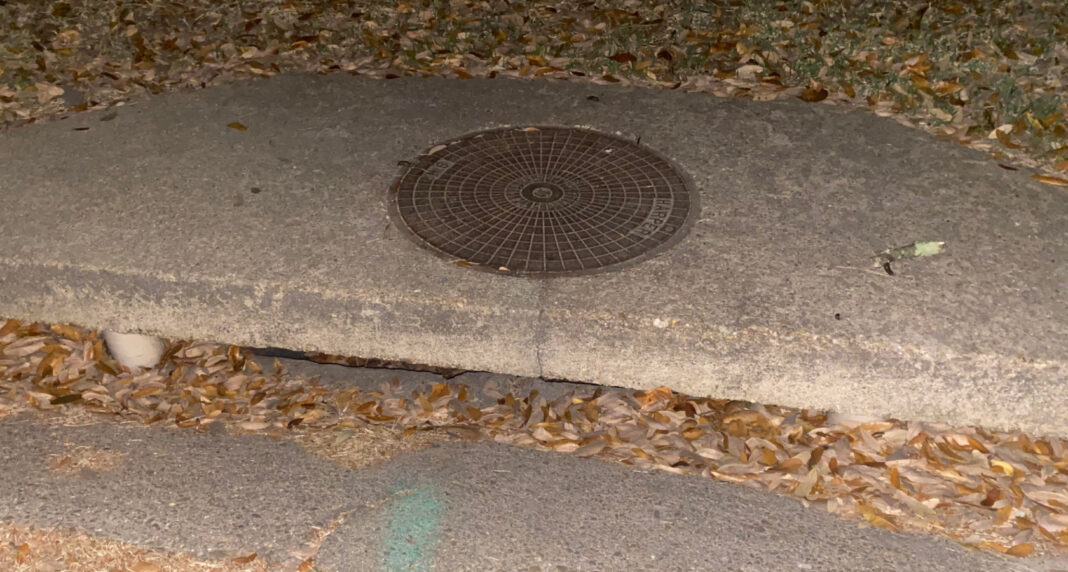
The report makes clear that much of Ocean Springs’ sewer infrastructure is more than 40 years old. It highlights failing gravity lines, deteriorating manholes, and pump stations that have already reached the end of their useful life.
In several locations, pipes aren’t just aging, they are compromised. Cracks and structural failures allow groundwater to pour into the system.
According to the study, up to 30 percent of the water moving through the system isn’t sewage at all. It’s groundwater leaking in through broken infrastructure.
That wasted capacity comes at a cost — both financially and operationally — and leaves less room in the system to handle actual wastewater from homes and businesses.
“Our wastewater system is aging and already under strain,” Ward 4 Alderman Shannon Pfeiffer said. “The City’s own facilities plan confirms we are dealing with significant inflow and infiltration that reduces available capacity.”
When it Rains, the System Fails
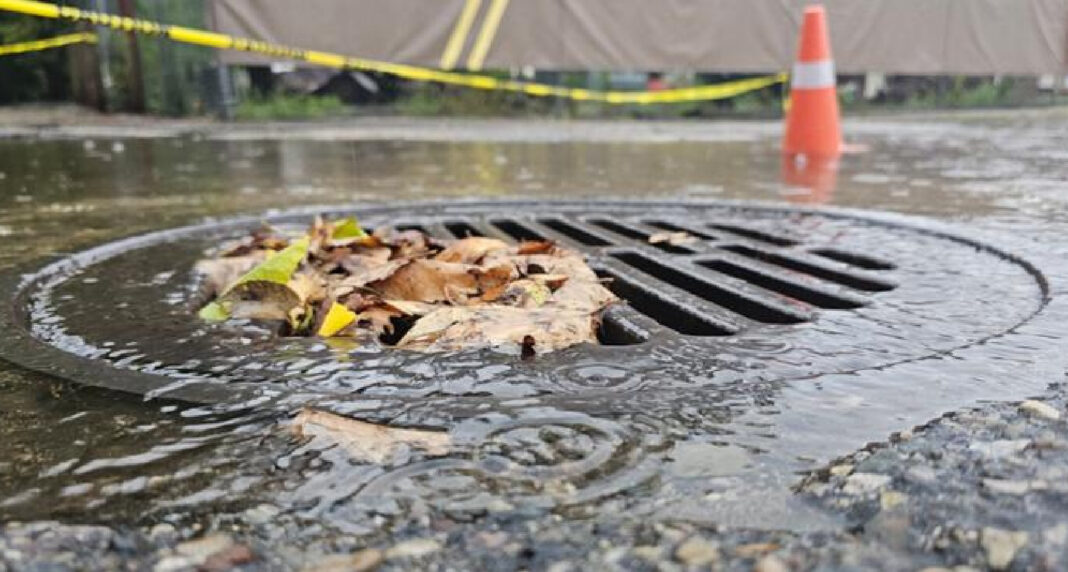
The report confirms that certain areas of the city already experience overflows during heavy rain events.
That means when the system is stressed, it doesn’t just slow down, it backs up.
Manholes overflow. Pipes reach capacity. And raw sewage has nowhere to go but out.
One of the most problematic areas identified is the Groveland section of the city, where shallow manholes and aging infrastructure create a bottleneck during high-flow events. The result is repeated backups and overflow conditions when rainfall increases.
These are not future risks. They are documented failures.
What Happens When Raw Sewage Surfaces?
When officials say “overflow,” they mean raw sewage — human waste — leaving the system and entering streets, yards, and neighborhoods.
The risks to residents and children are real.
The U.S. Environmental Protection Agency warns that sewage overflows release harmful bacteria, viruses, and parasites into the environment. The Centers for Disease Control and Prevention notes that exposure can cause illnesses ranging from stomach infections to skin and respiratory issues.
It can also contaminate soil, groundwater, and nearby waterways.
This isn’t just unpleasant. It’s a legitimate public health hazard.
Among the more alarming findings is the continued use of asbestos force mains in parts of the system.
The report calls for their replacement, acknowledging they are outdated and unsuitable for long-term use. Replacing these lines is not a minor repair, it is a major infrastructure project that has been sitting on the city’s list for years.
A Multi-Million-Dollar Problem — and Growing
The plan estimated nearly $5 million just to address the most urgent issues.
That was only Phase One.
It targeted the worst areas, not the entire system, and it was based on conditions documented in 2017. Since then, costs have increased, infrastructure has continued to age, and the system has endured years of additional stress.
“We have spent years and public dollars studying these issues, but much of that work has not yet been put into action,” Pfeiffer said. “Now our Public Works team is having to go back, review, and update those reports just to understand our current conditions.”
A Pause or Push Forward?
Those realities have fueled a push by several aldermen to temporarily slow development while the city reassesses its infrastructure.
The proposed nine month moratorium would have paused certain high-impact residential developments — not to stop growth, but to allow time to evaluate capacity, prioritize upgrades, and align development with infrastructure.
“Continuing to approve new development without fully addressing those issues only adds more pressure to an already stressed system,” Pfeiffer added.
“That is why I support a temporary, targeted moratorium. This is not about stopping growth. It is about making sure we are not outpacing our infrastructure.”
The Mayor’s Position: Keep Building
Mayor Bobby Cox has rejected that approach.
During a recent Board of Aldermen meeting, Cox argued that a moratorium is unnecessary and that the city should continue reviewing developments on a case-by-case basis.
“I don’t know that the moratorium is the answer,” Cox said. “I think it’s for us to do our job. If a development comes forward it’s time for us to step up, look at it really close, deny or approve.”
He also pointed to the cost and time required for large-scale infrastructure studies.
“I got one quote for one quarter of the city for a capacity study… $85,000,” Cox said. “You’re not going to have it in nine months.”
At the same time, Cox acknowledged the city already has drainage and infrastructure studies in hand and said departments are working through them.
Before becoming mayor, Cox served as Alderman-at-Large. He was serving in that capacity when the 2017 report was commissioned.
A Failed Vote — and a Forced Recusal
The moratorium, motioned by Pfeiffer, ultimately failed after a tied vote, with Cox casting the deciding vote against it.
The tie came after Ward 6 Alderman Julie Messenger recused herself due to a pending lawsuit filed days before the meeting by a developer.
Sources close to the controversy say Messenger’s husband was served the suit, which addresses a decades old encroachment issue, the day of the vote. Messenger said she sought council from the city attorney and the Ethics Commission. Both suggested she recuse herself, a move that shifted the outcome of the motion.
The votes were:
Alderman Steve Tillis: Aye
Alderman Karen Stennis: Aye
Alderman Kevin Wade: Nay
Alderman Shannon Pfeiffer: Aye
Alderman Rob Blackman: Nay
Alderman Matthew Hinton: Nay
The tie breaking “nay” vote was cast by Mayor Cox.
Prior to the vote, Alderman Blackman warned that a moratorium would have a negative financial impact on those in the development field and the cottage industries that support it.
Blackman himself works as a roofing contractor. Alderman Wade owns a tile company. Hinton runs a paint shop. All three voted no to the temporary pause.
What’s Been Done Since 2017?
That remains unclear.
When asked what improvements have been made since the report — and whether the city maintains any public record of upgrades — the mayor’s office offered little detail.
“No, there is no list on the city website,” city spokesperson Laurri Garcia said. “With regard to all other questions, City Departments are finalizing their reviews.”
Alderman Pfeiffer says she and others have been asking for a list of updates or improvements made since the 2017 report for months to no avail.
Time is Up
The report didn’t appear overnight. It was commissioned nearly a decade ago. Its findings were documented. Its risks were outlined. Its costs were estimated.
The problems were known.
What remains unclear is what was done — or not done — in the years since.
Because the issue facing Ocean Springs today isn’t just whether the system needs fixing, it’s whether the city waited too long to act.
The ticking time bomb isn’t coming… It’s already here, buried beneath the streets, flowing through aging pipes, and surfacing when the system can no longer hold.

Hold developers responsible for both on-site and off-site infrastructure.
It is not right to blame the current administration for the problems that were not solved the past administrations.