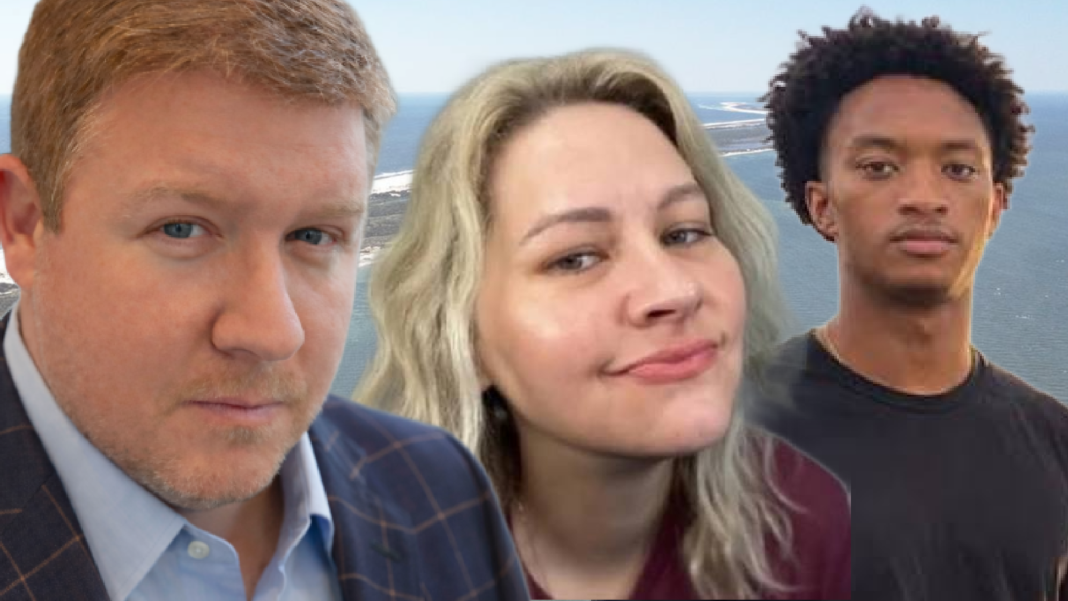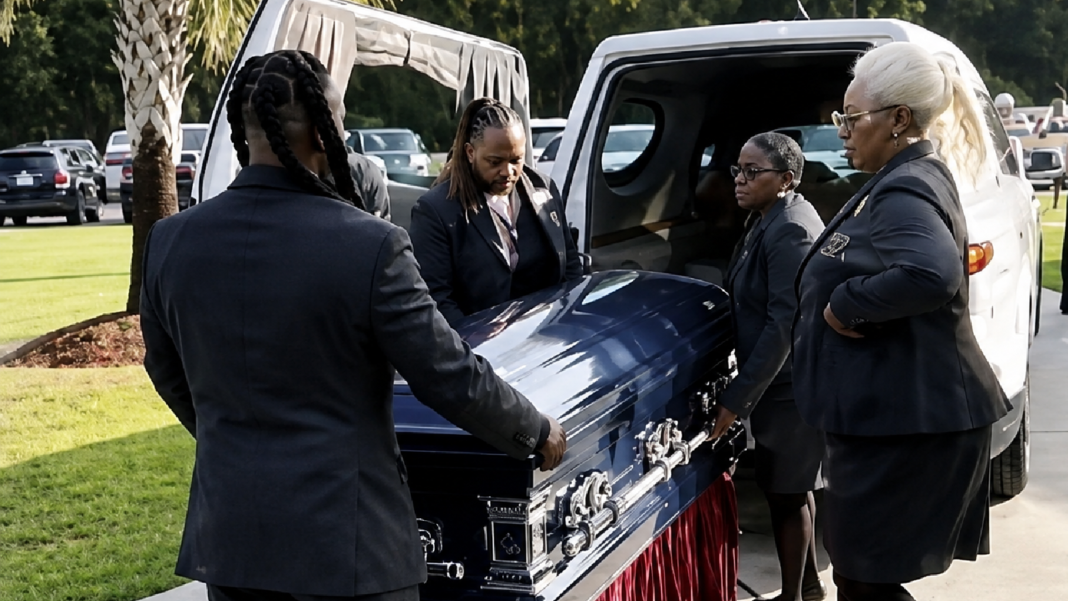
OCEAN SPRINGS, MS (GC Wire) — Since the release of the Sea Tow emergency call made on the night 18-year-old Nolan Wells disappeared, the recording has become one of the most closely scrutinized pieces of evidence in the investigation.
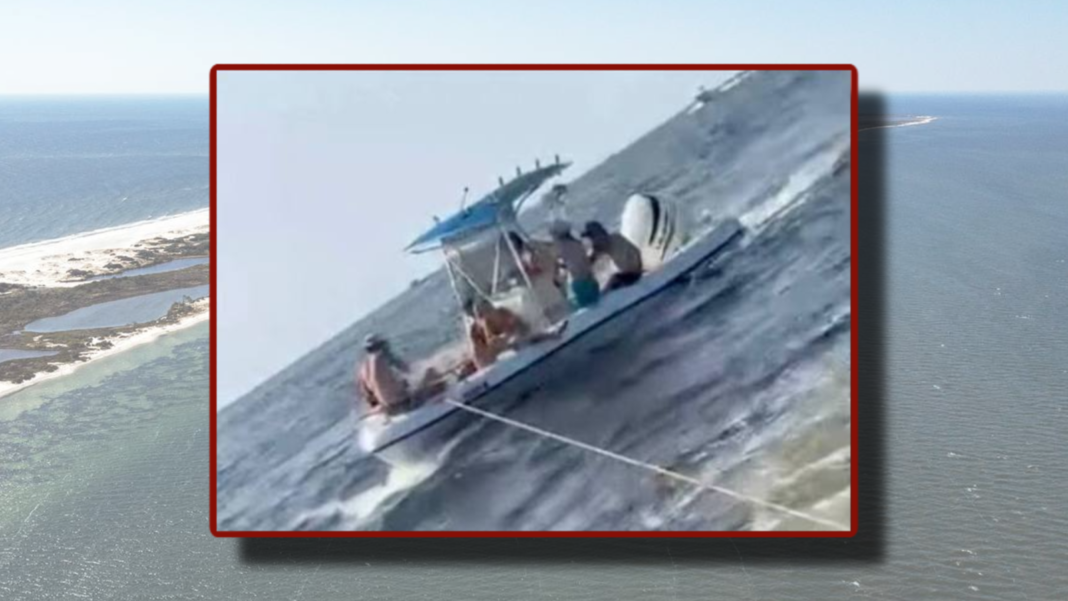
The original recording, released by the Mississippi Department of Marine Resources, captured a call for assistance after a boat began taking on water near Horn Island during the Fourth of July holiday. In the weeks that followed, third parties published “enhanced” versions of the audio, with many social media users claiming the processed recordings revealed background conversations including phrases such as “Is he dead?,” “You killed him,” “Check his chest,” “Nolan,” and “Wake up.”
Those interpretations spread rapidly online, fueling renewed accusations that Nolan’s friends were responsible for his death.
Now, experts from two different disciplines — a retired FBI agent and a veteran digital forensic examiner — are urging caution about the conclusions being drawn from the publicly available recordings.
Former FBI Agent: Original Recording Did Not Suggest Foul Play
Before the enhanced versions began circulating online, Fox News Digital asked retired FBI Special Agent Jonathan Gilliam whether he believed anything about the original Sea Tow call suggested criminal activity.
Gilliam said it did not.
“I don’t hear anything nefarious… it just sounded like there was a lot of stuff going on, that they were taking on water, not panic as much as this young person was trying to resolve a situation in a party atmosphere.”
Gilliam also questioned the logic behind theories suggesting anyone attempting to conceal a crime would have voluntarily summoned outside assistance.
“They’re taking on water,” he added. “They’re going to be calling for assistance, which could lead to authorities. If they had done something, that’d be a very bad time for a person who’d done something nefarious to call out people and for them to get away with something. So I don’t think it added anything to the conspiracies of something having occurred knowingly in a nefarious manner.”
Enhanced Audio Goes Viral
As discussion surrounding the case intensified, enhanced versions of the Sea Tow recording began circulating across social media.
Listeners claimed the processed audio contained previously inaudible statements that they believed implicated members of the group who had been with Wells that night.
Many of the videos did more than simply play the audio. They displayed captions on the screen telling viewers exactly what words they were supposedly hearing. As the videos spread, the captions often spread with them, reinforcing the same interpretations from one repost to the next.
The enhanced recording quickly became one of the most widely shared pieces of media associated with the case, despite the absence of any official confirmation that the alleged phrases were actually present in the recording.
Questions Raised About the Source of the Enhancement
On July 28, Texas journalist and political commentator Sarah J. Fields published an investigation identifying Jeanetta Brantley as the individual who publicly claimed to have created one of the enhanced audio versions that has circulated widely online.
Fields reported that Brantley has repeatedly accused Nolan Wells’ friends of murder and publicly called for their arrests. Fields also reported that the enhanced recording became a catalyst for a new wave of online speculation as listeners claimed to hear incriminating statements in the background audio.
In her reporting, Fields questioned Brantley’s credibility, citing Texas business records and prior misdemeanor criminal court records involving Brantley.
GC Wire has not independently verified those records, and Brantley has publicly maintained that her enhancement accurately reveals conversations contained within the original recording.
Digital Forensics Expert Reviews Both Versions
As the enhanced audio continued spreading online, NewsNation interviewed digital forensic expert Robert Fried, executive vice president of forensics and chief investigative officer at Page One, Inc., who has spent more than two decades analyzing digital evidence.
Fried said his team obtained both the publicly released recording and one of the enhanced versions before conducting a forensic comparison.
“We extracted or preserved the videos from the specific websites… and then what we were able to do there is take a digital fingerprint MD5 hash value of those two videos,” Fried explained.
The files, he said, were clearly different.
“They were obviously different, which means that they have different content.”
His team then analyzed transcripts generated from both recordings.
When asked directly whether his forensic examination identified anyone saying the phrases that have gone viral online, including “Is he dead?” and other purported phrases, Fried’s response was direct.
“No.”
He explained that even after enhancement, the recording remained too distorted to reliably identify those statements.
“It’s very distorted. Even if you hear it from the original to even the audio enhancement, it’s still very difficult for some of the software that we use and to even pick up those types of words. And there was nothing like that close to it in the transcriptions that we saw.”
Why People Can Hear Different Words
One characteristic shared by many of the enhanced recordings circulating online is that they include on-screen captions telling viewers exactly what they are supposed to hear.
Researchers have long recognized that expectation can influence perception. When listeners are primed with a suggested phrase before hearing an ambiguous sound, the brain often begins interpreting the audio to match that expectation. Psychologists commonly describe this as top-down processing, while similar experiences involving ambiguous sounds are often referred to as auditory pareidolia.
Fried acknowledged experiencing the same effect himself.
When NewsNation asked whether there is a danger in telling someone what to listen for before playing an audio recording, Fried answered:
“Absolutely.”
He explained that after hearing claims about specific phrases, he initially found himself listening for those same words before conducting his forensic analysis.
One of the best-known demonstrations of the phenomenon is the viral “Green Needle / Brainstorm” audio illusion. Millions of people listened to the exact same audio clip while alternating between the words “Green Needle” and “Brainstorm” displayed on the screen. Many reported hearing whichever phrase they were looking at — even though the recording itself never changed.
The demonstration has become a popular example of how expectation and visual suggestion can influence the way the brain interprets ambiguous sounds.
That does not necessarily mean the enhanced Sea Tow recordings contain no meaningful background audio. It does, however, help explain why forensic analysts generally avoid relying on suggested transcripts and instead examine recordings as objectively as possible.
Investigators Would Want the Original Recording
Fried also cautioned against relying on copies of the recording circulating on the internet.
If he were assisting investigators, he said his first priority would be obtaining the original source recording rather than relying on edited or enhanced versions.
“I would want to go and make sure that I have the data from the original source… I want to go to the source.”
He noted that publicly released copies already contain redactions, including account numbers and telephone numbers, making the original recording and its metadata the proper starting point for any forensic examination.
Separating Evidence From Interpretation
Neither Gilliam nor Fried claimed to know what ultimately happened to Nolan Wells.
Gilliam’s comments addressed whether the original distress call sounded consistent with someone attempting to conceal a crime. Fried’s analysis focused on whether the viral phrases circulating online could be independently verified through forensic examination of the publicly available recordings.
Meanwhile, Fields’ reporting highlighted questions surrounding the origin of one of the most widely shared enhanced recordings and the individual who claimed responsibility for producing it.
Taken together, the reporting illustrates how one piece of evidence has evolved from an emergency distress call into one of the most debated aspects of the Nolan Wells investigation.
Whether the original source recording contains additional information beyond what has been publicly released remains a question for investigators. But based on the publicly available recordings, both the retired FBI agent and the digital forensic expert urged restraint before treating viral interpretations of the enhanced audio as established fact.
As the investigation continues, the debate surrounding the Sea Tow recording serves as a reminder that in the digital age, technology can amplify not only audio signals, but also human expectations. The challenge for investigators, and for the public, is distinguishing between what can be objectively supported by the evidence and what listeners think they might be hearing.