
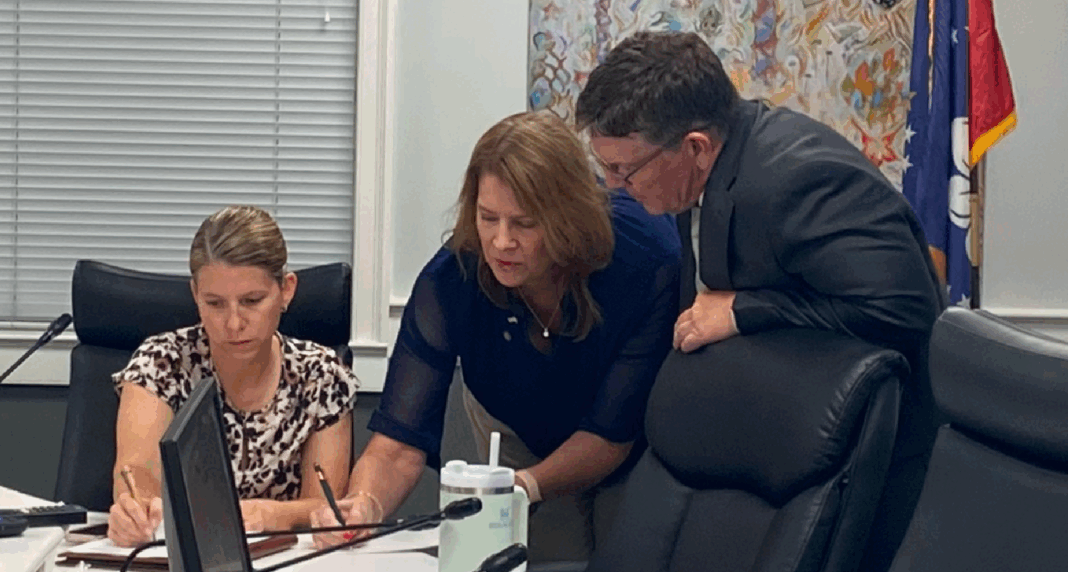
OCEAN SPRINGS, MS – In a case that reached the Mississippi Supreme Court, attorney David N. Harris Jr. argued that a stretch of Ocean Springs’ East Beach didn’t belong to the public — it belonged to his family.
Now, the same man who once fought to privatize the city’s public beach is serving as the city attorney for Ocean Springs — and questions are mounting over how he got the job.
Representing his father in Harris III v. State of Mississippi, Harris tried to claim private ownership of the sand beach south of the seawall — land the city, county, and state said was public trust tidelands. If successful, the lawsuit could have stripped Ocean Springs residents of public access to a portion of one of the city’s most recognizable beaches.
The courts rejected his argument, ruling that the beach was artificially constructed by public agencies and had never been private land to begin with.
Some residents are asking how Harris went from the man trying to claim the beach from the city to the man who now represents the city.
And that’s not the only connection raising questions.
His Father Is Now Presiding Over the Sealed Securix Case
Harris’s father — the same man represented in the beach ownership case — is now the presiding judge in the QJR v. Securix lawsuit, a highly sensitive case involving embattled former city attorney Robert Wilkinson and a private traffic enforcement program once run in Ocean Springs.
The Securix program has drawn intense scrutiny from journalists, civil rights attorneys, and Ocean Springs residents who were issued tickets through a private automated system that many claim violated due process.
Despite the fact that the case involves public contracts, municipal court operations, and a privately run law enforcement scheme, Judge D. Neil Harris sealed the case in its entirety — stating there was “no public interest” justifying transparency. The ruling is now being challenged before the Mississippi Supreme Court by The Sun Herald and Mississippi Today, with both arguing the court’s sealing order violates U.S. and state constitutional protections for public access to litigation.
An Application Process That Was Abandoned
The appointment of David Harris Jr. as interim city attorney raises its own transparency concerns.
On February 4, the Ocean Springs Board of Aldermen unanimously voted to begin accepting RFPs (Requests for Proposals) and personal applications for a new city attorney, following the controversy surrounding former city attorney Robert Wilkinson — who has been accused of failing to disclose financial interests in Securix and personally benefitting from the city’s contract with the company.
According to public records, multiple applications were received from interested attorneys and law firms in the months that followed. Yet no interviews were ever conducted. No shortlist was publicly discussed. And no action was taken on any of the submitted applications.
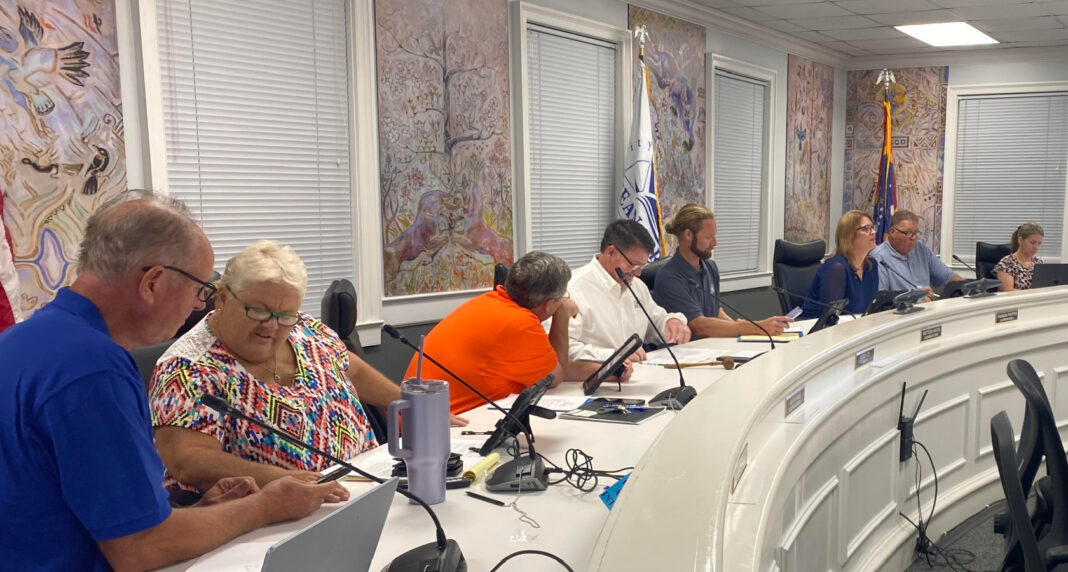
Then, on June 17 — during the final meeting of the outgoing Board of Aldermen and Mayor Kenny Holloway — the name David N. Harris Jr. appeared on the agenda for appointment as interim city attorney.
According to the meeting transcript, then–Alderman-at-Large Bobby Cox (now the city’s mayor) stated:
“I did request this to go on the agenda tonight, just so that the new administration coming in July 1 has legal representation moving forward. And he can go to work now with our legal service now. And be ready to get him up to speed for us.”
No mention was made of the other attorneys who had applied, nor was Harris’s selection explained. There was no discussion, no public debate, and no questions from the Board before the motion passed unanimously.
GC Wire has submitted a public records requests seeking documentation related to his selection, including conflict-of-interest disclosures or other vetting procedures.
A Question of Public Trust
The city attorney serves as the chief legal advisor to the mayor, Board of Aldermen, and city departments — reviewing contracts, advising on litigation, and sometimes responding to public records inquiries.
That role carries enormous influence over matters involving constitutional rights, transparency, and public land — the very subjects Harris Jr. has previously litigated against the city over, and which his father is currently presiding over behind closed doors.
The public has not been told whether the current Board was informed of Harris Jr.’s prior lawsuit or his family’s ongoing judicial role when they inherited the appointment from the outgoing administration. At least one alderman confirmed to GC Wire that they were not.
When Process is Skipped, Public Trust Follows
The appointment of a city attorney should be a transparent process grounded in public trust, not backroom arrangements and undisclosed conflicts. In this case, Ocean Springs residents were not told that the man now advising their city once stood in court to argue that part of their coastline should belong to his family — nor that his father, a chancery court judge, is controlling access to a major legal case with sweeping public implications.
The decision to bypass the application process, disregard submitted proposals, and quietly insert Harris’s name onto the final agenda of a departing administration raises serious questions — not just about who made the decision, but why it was made in the dark.
Residents have a right to know who represents their interests. They have a right to expect transparency in legal matters that affect their rights, their land, and their tax dollars.
But without answers, transparency remains a promise, not a practice.

If he was appointed as interim city attorney, can he not be replaced?