Engineering review finds progress at former industrial property while emphasizing that groundwater contamination remains under active management.
OCEAN SPRINGS, MS (GC Wire) — Ocean Springs aldermen are expected to receive an independent engineering review of the former Leica property during Tuesday’s Board of Aldermen meeting, offering residents the most comprehensive assessment in years of the environmental conditions beneath one of the city’s most closely watched properties.
Prepared by Covington Civil & Environmental for the City of Ocean Springs, the report concludes that years of remediation have significantly reduced contamination at the site. It does not, however, declare the cleanup complete.
Instead, the review describes a property where the original source of contamination appears to have been addressed, groundwater contamination continues to decline, and state regulators do not currently believe the site poses a risk to human health. At the same time, contamination remains beneath portions of the property, groundwater monitoring continues, and future redevelopment will require engineering safeguards approved by the Mississippi Department of Environmental Quality (MDEQ).
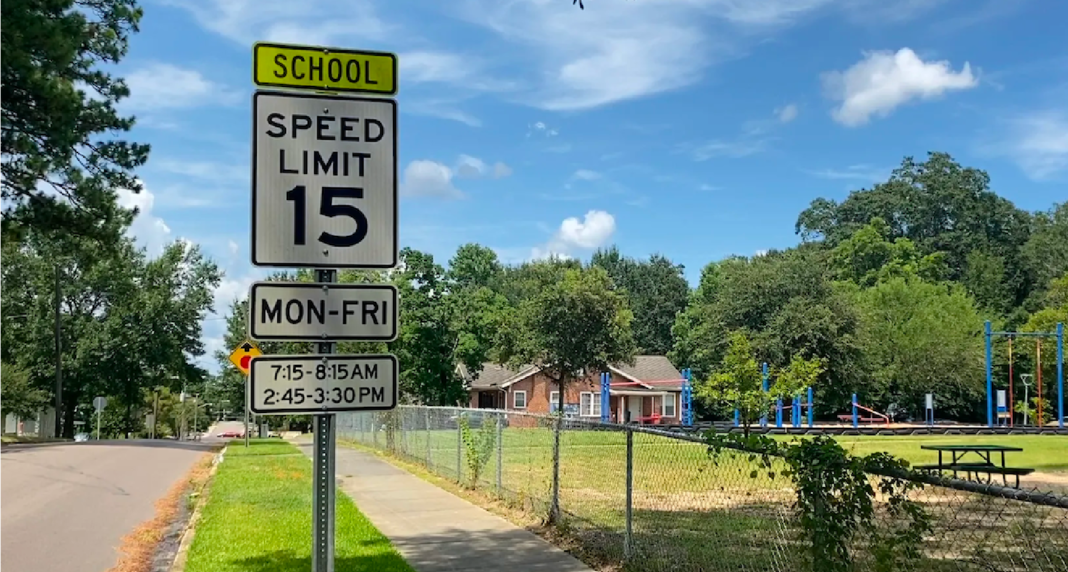
For years, residents have questioned whether contamination from the former industrial site could affect nearby neighborhoods, the Mary C. O’Keefe Preschool Center, the YMCA, and future redevelopment plans. The independent review addresses many of those concerns while making clear that environmental work at the site remains ongoing.
Nearly Two Decades of Cleanup
Environmental investigations at the Leica property began in 2007 after chlorinated solvent contamination was identified on the site.
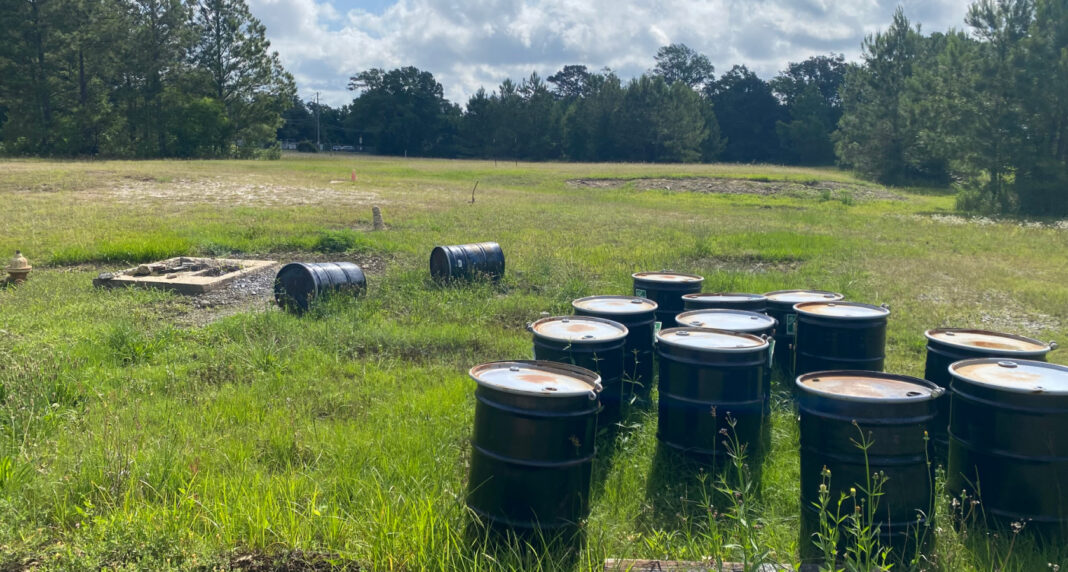
According to the report, major remediation efforts in 2009 and 2010 included demolishing contaminated buildings, excavating polluted soil, removing underground storage tanks, installing phytoremediation TreeWells, injecting treatment materials into groundwater, and constructing a network of permanent monitoring wells that continue tracking conditions today.
Covington’s review examined approximately 40 documents obtained from MDEQ covering remediation activities from 2011 through January 2026.
One limitation noted by the engineering firm is that it was unable to review the original 2007 site characterization studies or documentation from portions of the initial cleanup because those records were not included in the Freedom of Information Act response received from MDEQ. The report notes those files remain available at MDEQ but would require an in-person review.
What Remains Underground
One of the report’s most significant conclusions is that the original contaminated soil, which served as the source of the pollution, appears to have been successfully removed.
“The on-site soil contamination (source) seems to have been addressed through the remediation activities undertaken in 2009-2010,” the report states.
The remaining challenge lies beneath the surface.
Groundwater contamination continues to exist within both a shallow water-table aquifer and a deeper confined aquifer separated by a clay layer. According to the report, contaminant concentrations continue to decline through both engineered treatment and natural degradation.
The report identifies vinyl chloride as the largest remaining contaminant plume. Vinyl chloride is a breakdown product formed as naturally occurring bacteria and remediation processes degrade trichloroethylene, the primary contaminant originally released at the site.
Monitoring wells installed near Government Street have not shown evidence that contamination has migrated across the roadway, according to the review.
Questions About Nearby Buildings
Some of the greatest public concern has centered on whether underground contamination could affect nearby occupied buildings.
The report summarizes investigations involving the Mississippi National Guard Armory, the Mary C. O’Keefe Preschool Center, and the Ryan Youth Center operated by the YMCA.
According to Covington, MDEQ determined vapor testing at the Armory was unnecessary because groundwater flow and subsurface conditions made vapor intrusion unlikely.
Later investigations at the preschool and YMCA included multiple rounds of soil vapor and ambient air sampling.
Those investigations found no evidence that contaminants associated with the Leica site were affecting outdoor air quality, according to the report. One soil vapor sample detected elevated levels of naphthalene, but both TRC Environmental and MDEQ concluded the chemical was unrelated to contamination from the Leica property because naphthalene was not one of the site’s contaminants or a degradation product associated with them. MDEQ ultimately determined no additional vapor sampling was necessary at either location.
While regulators concluded the naphthalene was not associated with the Leica site, naphthalene itself is not without health concerns. According to the National Institutes of Health, elevated exposure to naphthalene, commonly associated with products such as mothballs as well as tobacco smoke, vehicle emissions, and attached garages, can damage red blood cells and cause hemolytic anemia. Infants and individuals with glucose-6-phosphate dehydrogenase (G6PD) deficiency are considered especially vulnerable.
The report does not identify the source of the naphthalene detected during testing. Instead, it states regulators believed the finding likely resulted from background conditions, cross-contamination, or another unrelated source.
The report also references a June 2025 letter from MDEQ to the YMCA stating the agency had no concerns regarding current site conditions and was not requiring additional action at that time.
Development Still Faces Restrictions
Although the report offers reassurance in several areas, it repeatedly emphasizes that environmental oversight is not over.
A separate Phase II Environmental Site Assessment performed in 2023 found one soil vapor sample exceeding EPA screening levels for vinyl chloride.
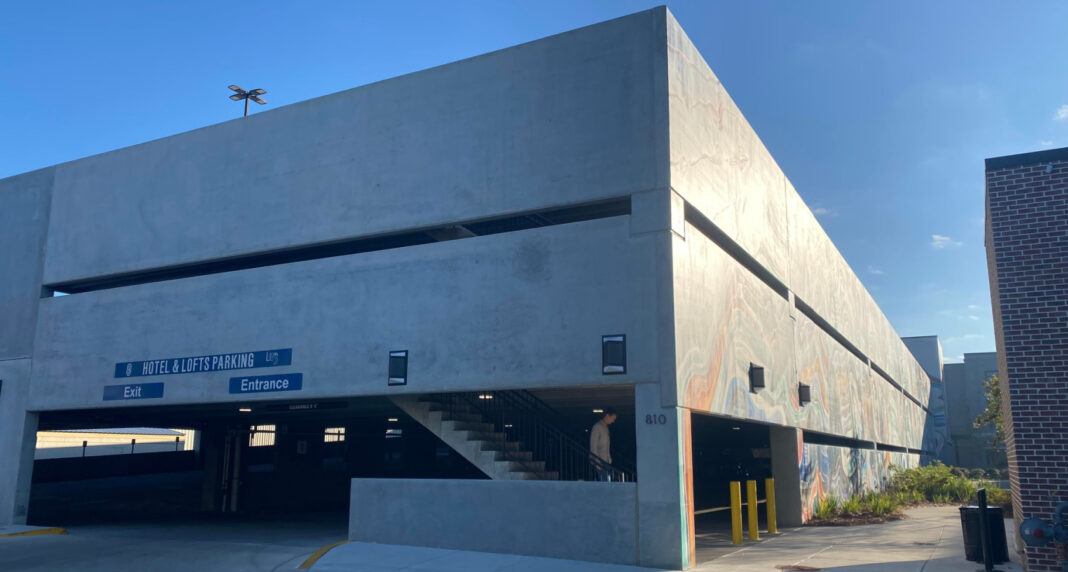
Because of those findings, MDEQ currently requires that future redevelopment include vapor barriers beneath buildings and other protective engineering measures. Until groundwater cleanup goals are achieved, the agency also would not permit first-floor apartments, lofts, or hotel rooms on the property.
The report concludes those requirements create challenges for redevelopment but says they can be addressed through careful planning and cooperation among developers, Leica, and MDEQ.
The Report’s Strongest Criticism
While Covington expresses confidence in MDEQ’s oversight of the cleanup, the report also identifies an area where it believes additional progress is needed.
According to the review, MDEQ has repeatedly requested that the remediation contractor provide a timeline estimating when groundwater contamination will fall below the state’s cleanup standards. Regulators have also requested proposed institutional controls for affected off-site properties and environmental covenants if remediation is expected to extend beyond five years.
Based on conversations with MDEQ personnel, Covington reports that those requested materials had not yet been submitted at the time the report was prepared.
The engineering firm says that information is important not only for understanding future redevelopment opportunities but also for ensuring long-term protection of human health and the environment.
A Snapshot, Not a Conclusion
Ultimately, the report presents neither a worst-case scenario nor an all-clear declaration.
It concludes that contamination has been substantially reduced, that state regulators do not currently believe the site poses a risk to human health under existing conditions, and that monitoring has not shown contamination spreading into surrounding neighborhoods. At the same time, groundwater contamination remains above cleanup targets in some areas, annual monitoring continues, redevelopment will require protective engineering controls, and MDEQ has not issued a “No Further Action” determination that would formally close the remediation effort.
For residents who have followed the Leica site for years, Tuesday’s presentation may answer some longstanding questions while reinforcing one central point: The cleanup has made substantial progress, but it has not yet reached the finish line.